

Whaling in cybersecurity is a type of phishing attack that targets high-level people like CEOs, managers, and executives. It is also called CEO fraud or a spear phishing attack. Hackers send fake emails that look real and trustworthy. These emails try to steal money, passwords, or sensitive data. Whaling attacks often use social engineering techniques to trick victims.
The messages may look urgent or important. The goal is financial fraud or data theft. Companies face high risk from whaling scams. Using email security, verification steps, and employee training can help prevent these cyber threats and protect business information.
How Do Whaling Attacks Work?
Whaling attacks in cybersecurity work by targeting high-level people like CEOs or managers. Hackers send fake emails that look real and urgent. This is part of a social engineering attack. The attacker first studies the target using public data. Then they create a convincing message.
The email may ask for money transfers, passwords, or sensitive data. This is also called CEO fraud or a phishing scam. Victims trust the message and act quickly. Hackers use email spoofing techniques to hide identity. Companies can stop whaling attacks with security awareness training, email filters, and verification steps.
Whaling vs Phishing Differences
| Feature | Whaling | Phishing |
| Target | CEOs, executives, leaders | General users |
| Attack Type | Highly targeted scam | Broad mass emails |
| Personalization | Very high | Low or generic |
| Risk Level | Very high financial loss | Moderate to high |
| Technique | Spear phishing, social engineering | Fake emails, links |
| Goal | Steal money or sensitive data | Steal passwords or info |
| Difficulty to Detect | Hard to detect | Easier to detect |
| Example | Fake CEO payment request | Fake bank email alert |
Targets of Whaling Scams
Whaling scams target high-level people in a company. These include CEOs, CFOs, directors, and senior managers. Hackers choose these targets because they control money and sensitive data. This is a type of phishing attack and is also called CEO fraud. Attackers use social engineering to trick important staff.
They study company details before sending fake emails. These emails look urgent and real. The goal is financial theft or data access. Whaling attacks often target payroll teams or finance departments too. Strong cybersecurity measures, email checks, and awareness training help protect these valuable targets from cyber threats and fraud.
What is Social Engineering? Easy Ways to Stay Safe from Hackers
Signs of Whaling Emails
Whaling emails show clear warning signs. They often come with urgent requests from senior staff names. The email address may look slightly fake or changed. This is a type of phishing scam and social engineering attack. Messages may ask for money transfers or sensitive data. Poor grammar or strange wording is another sign.
The tone is usually very urgent or secret. Attackers use email spoofing techniques to hide identity. Links or attachments may look unsafe. Employees should check sender details carefully. Using cybersecurity tools and verification steps helps detect these fake emails and prevents financial fraud and data theft.
Preventing Whaling Cyber Threats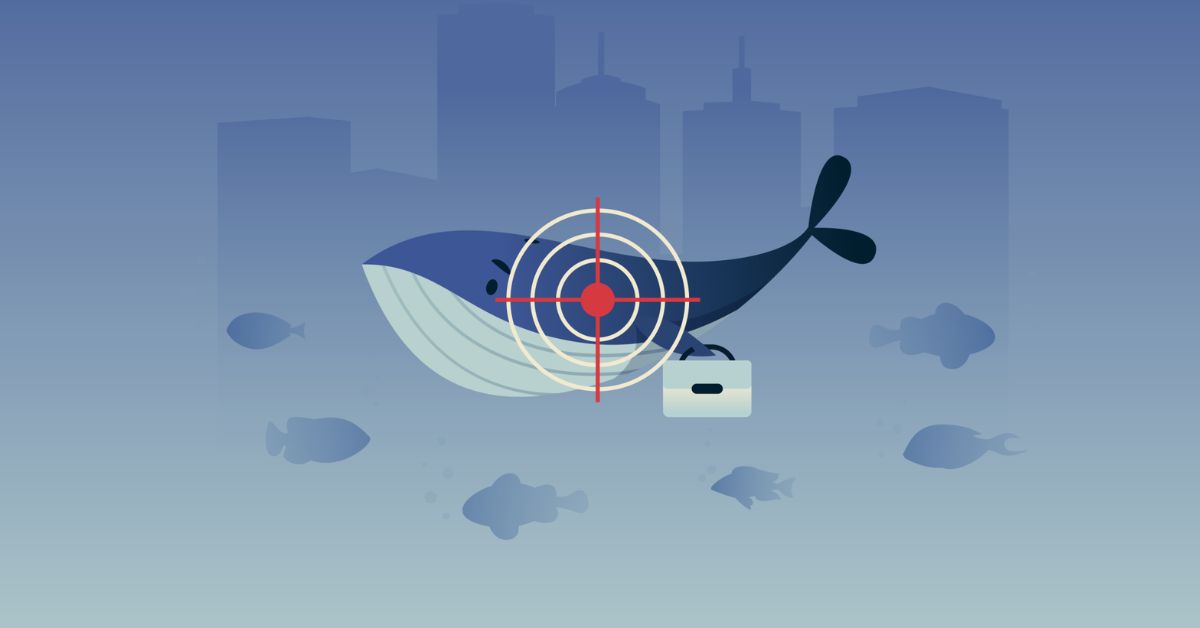
Preventing whaling cyber threats needs strong security steps. Companies should use cybersecurity awareness training for employees. Staff must learn about phishing attacks and social engineering tricks. Always verify emails from CEOs or managers before taking action. Use email authentication systems to block fake messages. Enable two-factor authentication for extra protection.
Check sender addresses carefully for signs of spoofing. Do not click unknown links or attachments. Finance teams should confirm payment requests by phone. Install updated anti-phishing software for safety. Regular security checks reduce risks. These simple steps help protect businesses from whaling scams, fraud, and data theft.
Real Whaling Attack
Real whaling attacks have caused major business losses. In one case, hackers sent a fake email pretending to be a company CEO. They asked the finance team to transfer money urgently. The staff trusted the message and sent funds. This is a type of CEO fraud and phishing attack.
In another example, attackers used social engineering to steal employee data. Emails looked very real and official. Some companies lost sensitive information and money. These cases show how dangerous whaling scams can be. Strong cybersecurity protection, email checks, and awareness training help prevent these real-world cyber threats.
Risks of Whaling Attacks
Whaling attacks create serious risks for businesses. They can cause large financial loss through fake money transfer requests. This is a form of phishing attack and CEO fraud. Companies may also lose sensitive data like customer records and passwords. Hackers use social engineering techniques to trick trusted employees.
Reputation damage is another big risk for organizations. Once trust is broken, clients may leave the company. Legal problems can also happen after data leaks. Strong cybersecurity systems are needed to reduce these threats. Employee training, email verification, and security tools help protect against whaling attack risks and fraud.
Why Is Cyber Security So Hard? Common Challenges Revealed
CEO Fraud Explained Simply
CEO fraud is a type of cybersecurity scam. It is also known as a whaling attack or phishing attack. In this scam, hackers pretend to be the CEO or top manager. They send fake emails to employees, usually in finance or accounts teams. The message often asks for urgent money transfer or sensitive data.
Attackers use social engineering methods to build trust. The email looks real and official. Employees may feel pressure to act fast. This can lead to financial loss or data theft. Strong email security checks, awareness training, and verification steps help prevent CEO fraud attacks.
Staying Safe From Whaling
Staying safe from whaling needs careful actions. Use strong cybersecurity awareness training for all employees. Learn about phishing attacks and social engineering scams. Always check email sender details before replying.
Confirm urgent money requests by phone or video call. This helps stop CEO fraud and fake messages. Do not click unknown links or download attachments. Use email filtering tools to block suspicious emails. Enable two-factor authentication for extra safety. Keep software updated for protection. Report any strange emails to IT teams. These simple steps reduce risks and help protect companies from whaling attacks, fraud, and data theft.
Conclusion
Whaling in cybersecurity is a dangerous phishing attack that targets top executives. It is also known as CEO fraud and uses social engineering techniques to trick victims. Hackers send fake but convincing emails to steal money or sensitive data. These attacks can cause financial loss, data theft, and reputation damage.
Businesses must stay alert and use strong cybersecurity measures. Employee training, email verification, and security tools are very important. Careful checking of messages can prevent scams. Understanding whaling helps companies stay safe and reduce cyber risks in today’s digital world and protect important business information.
FAQ’s
How can companies prevent whaling?
Use cybersecurity training, email checks, and verification steps.
Is whaling different from phishing?
Yes, whaling targets high-level people, while phishing targets everyone.
What signs show a whaling email?
Urgency, fake sender address, and money requests are common signs.
Why are whaling attacks dangerous?
They can cause large financial and data losses.
How to stay safe from whaling?
Always verify emails and avoid clicking suspicious links.
